8つの研究領域Eight Research Areas
Interventional Radiology Robot
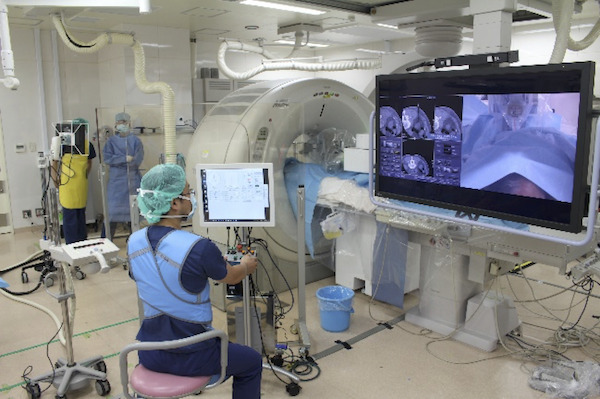
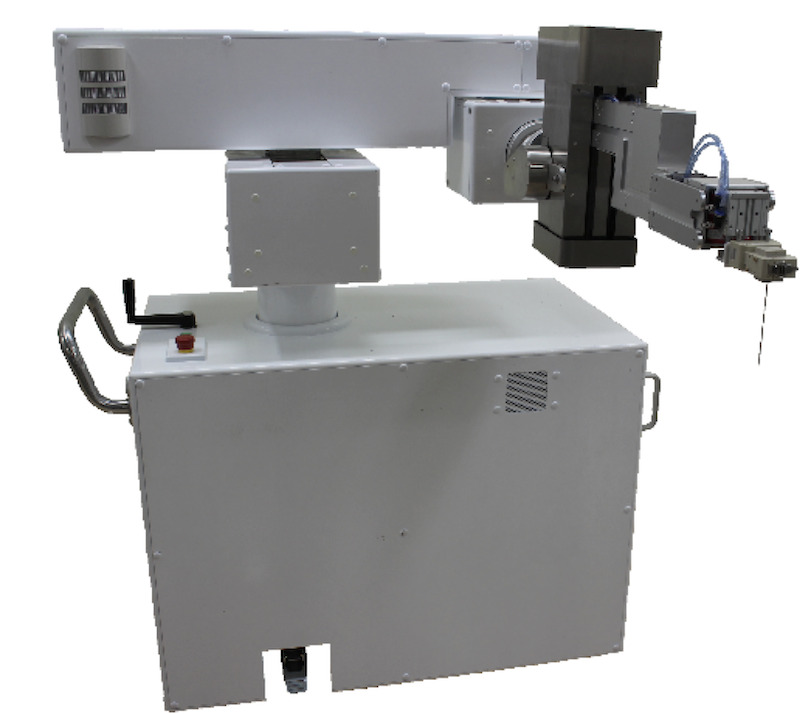
肺がんに対するラジオ波焼灼療法(RFA)を支援する遠隔操作ロボット「Zerobot」の開発を行っています。医師はCTガイド下で針を手動操作する際に被曝リスクを伴いますが、Zerobotを用いることで遠隔から高精度な針刺入が可能となり、被曝を大幅に低減できます。インターフェースシステム学研究室との共同研究のもと、2018年には岡山大学病院にて10名の患者を対象とした臨床試験を実施し、安全性が確認されました。RFAは外科手術と比較して低侵襲であり、局所麻酔下で実施可能、術後回復も3〜4日と短い利点があります。
We develop "Zerobot," a teleoperated robot for CT-guided radiofrequency ablation (RFA) of lung cancer. Physicians currently risk radiation exposure when manually inserting needles under CT guidance; Zerobot enables precise remote needle insertion, significantly reducing exposure. In collaboration with the Interface System Laboratory, clinical trials at Okayama University Hospital (2018) confirmed safe needle insertion in ten patients. RFA is minimally invasive, feasible under local anesthesia, and requires only 3–4 days of recovery compared to open surgery.
Driving Simulator
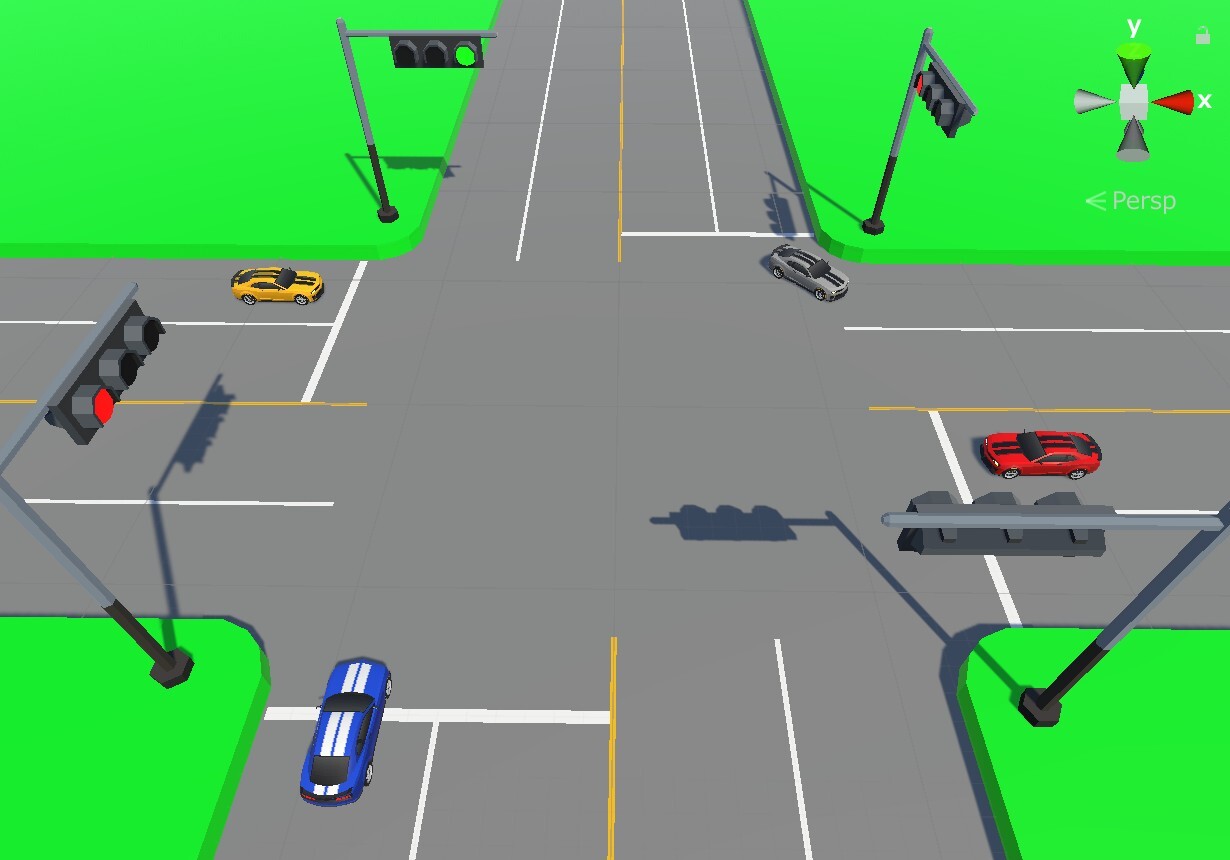
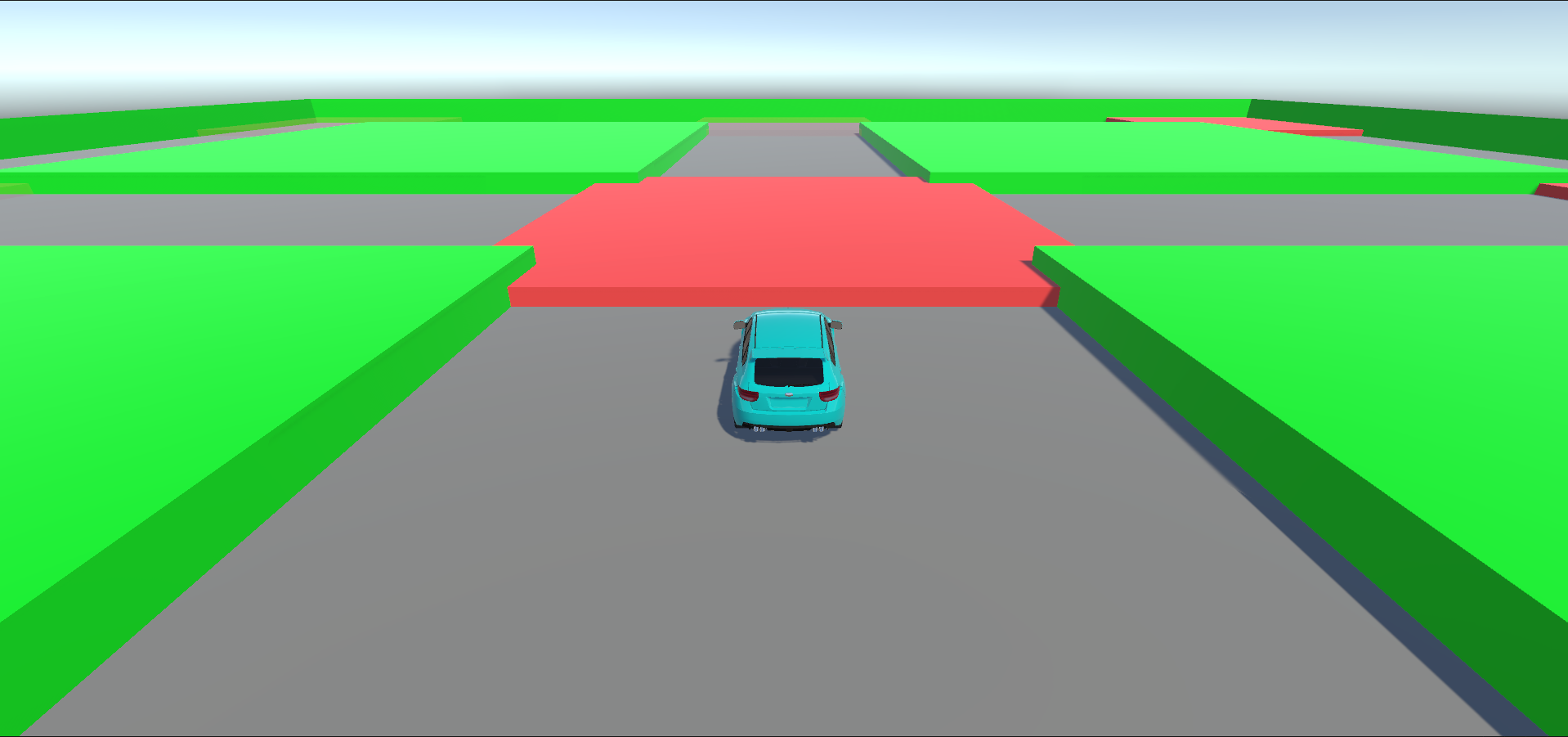
3Dグラフィックスで構築したリアルな都市環境に自動運転車と一般車を混在させた独自のドライビングシミュレータを開発しています。信号・交差点・複雑な交通パターンを高精度に再現し、交通流・事故率・道路インフラ設計を仮想空間で定量的に検証します。実路での実験が困難なシナリオも安全かつ繰り返し検証できる点が強みです。
We develop a custom 3D driving simulator that places autonomous and conventional vehicles together in realistic urban environments. Intersections, traffic signals, and complex traffic patterns are modeled at high fidelity, enabling quantitative evaluation of traffic flow, accident rates, and road infrastructure design in a virtual space. The platform allows safe, repeatable testing of scenarios that would be impractical or dangerous to reproduce on real roads.
Intelligent Manipulator Robotics
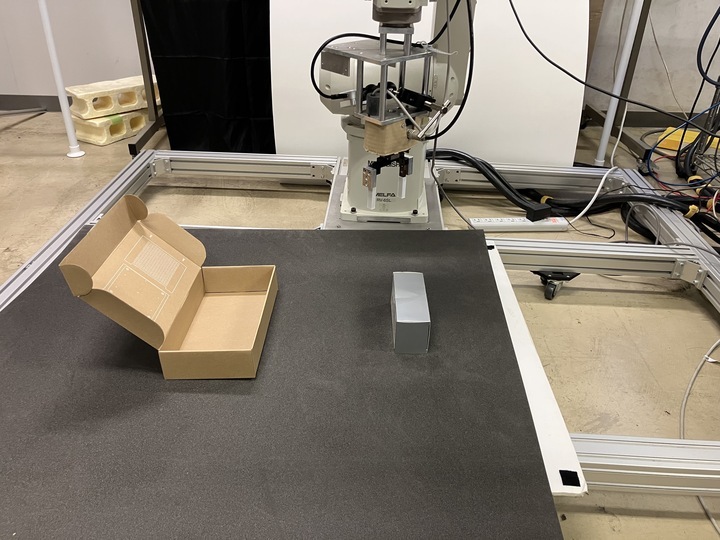
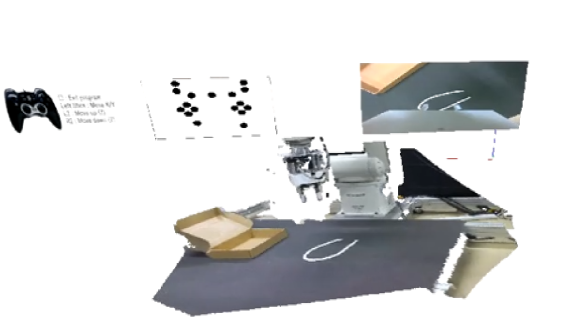
産業用アームロボットに知能を付与し、紙・布・テープなど形状が定まらない「不定形物体」の把持・操作を実現します。光学フローを活用したリアルタイム形状認識、タスク計画、センサフィードバック制御を統合することで、従来の固定プログラムでは対応できなかった柔軟性の高い自律的な作業を可能にします。
We endow industrial manipulator arms with intelligence to handle deformable objects — such as paper, cloth, and tape — whose shape changes unpredictably during manipulation. By integrating optical flow-based real-time shape recognition, task planning, and sensor feedback control, the system achieves flexible autonomous operations that go beyond the reach of conventionally programmed robots.
Automation of Concrete Chipping Work
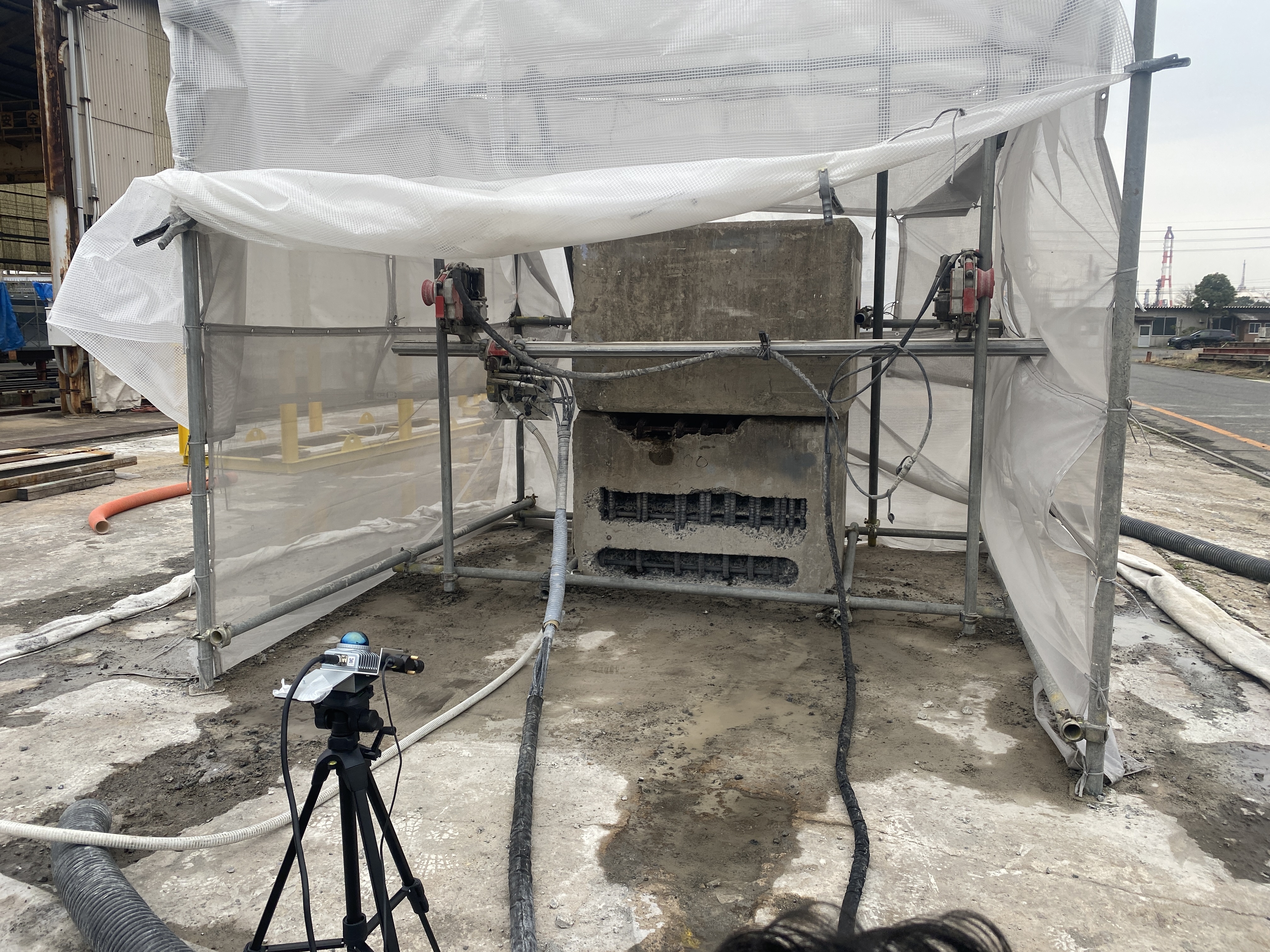
老朽化したコンクリート構造物の補修・解体において不可欠な「はつり作業」(コンクリートの斫り・破砕)を、ロボットによって自動化する研究です。振動や粉塵が激しい過酷な作業環境での人的負担を軽減しつつ、センシング技術と制御アルゴリズムを組み合わせることで、精度の高い自律的なはつり動作の実現を目指しています。
Concrete chipping — the breaking and removal of deteriorated concrete from aging structures — is an essential but physically demanding task. This research aims to automate the chipping process using robots, reducing human exposure to severe vibration and dust while achieving precise, autonomous operation through the integration of sensing technologies and advanced control algorithms.
Self-Proliferating Neural Networks / GNG
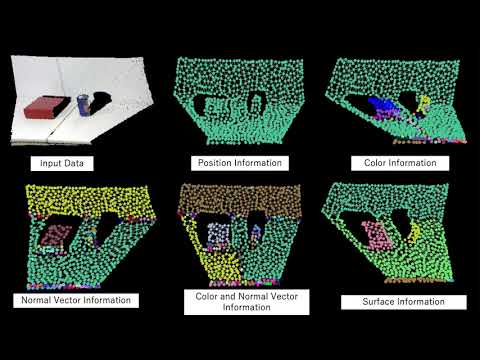
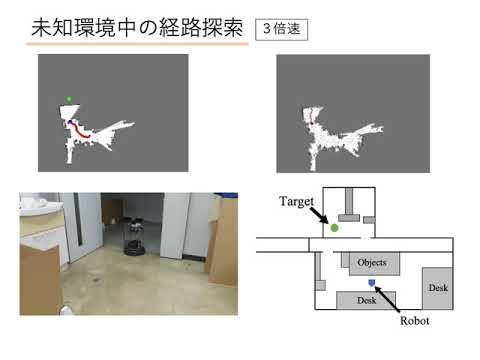
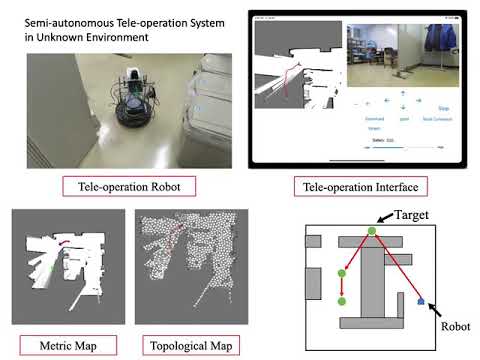
GNG(Growing Neural Gas)を基盤とした教師なし学習アルゴリズムの研究を行っています。ラベルなしデータから自律的に学習し、生物の知覚に近い環境認識能力をロボットに付与することを目指しています。注目対象は密に、背景は疎にモデル化するアダプティブな表現学習により、動的・未知の環境下での自律移動ロボットへの応用を進めています。
We develop GNG-based unsupervised learning algorithms that enable robots to learn from unlabeled data and acquire biologically-inspired perceptual abilities. The approach builds adaptive spatial models — dense representations for objects of interest and sparse representations for background — enabling autonomous robots to operate in dynamic, unknown environments without prior mapping.
Autonomous Underwater Vehicle & Soft Manipulator
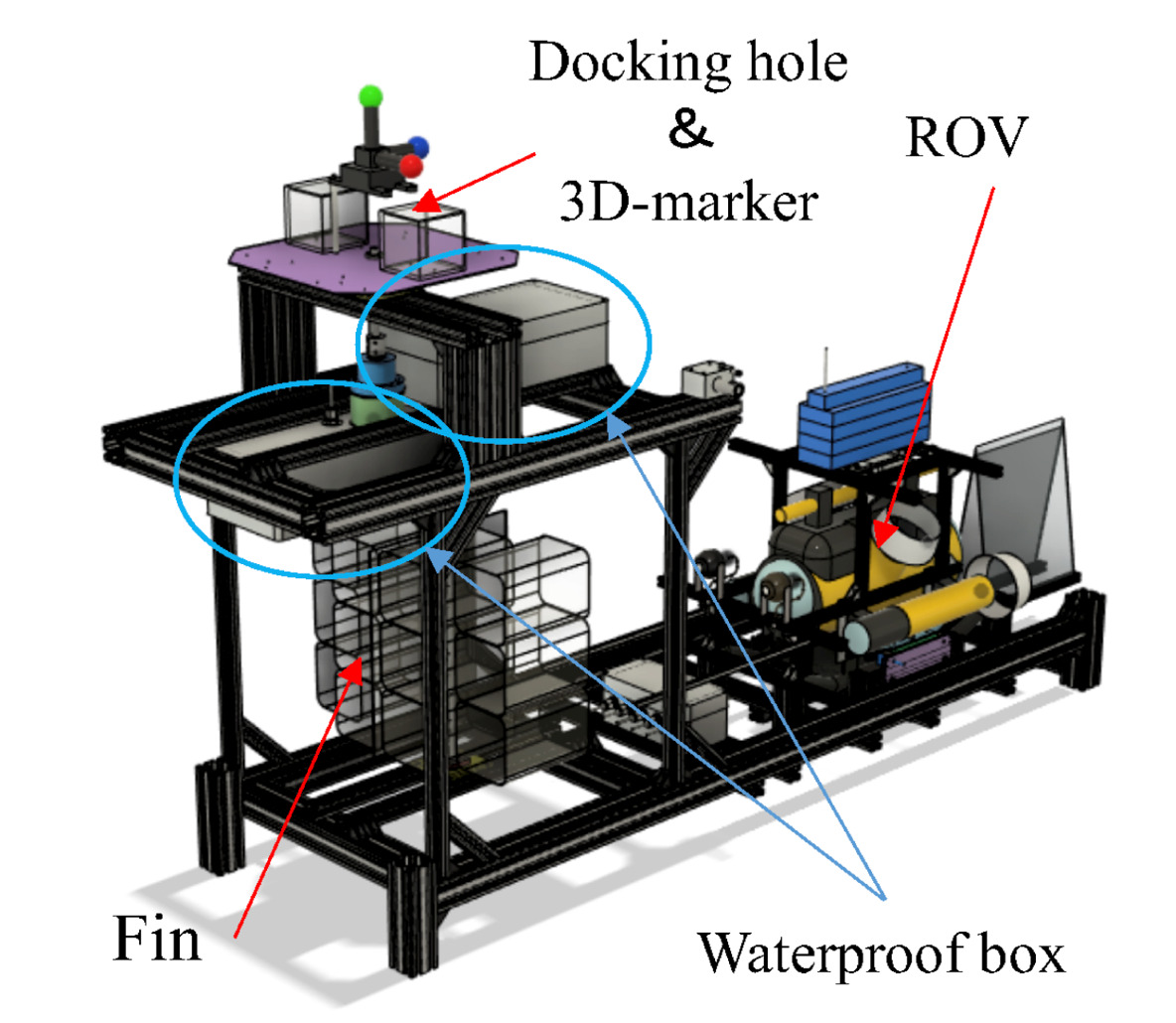
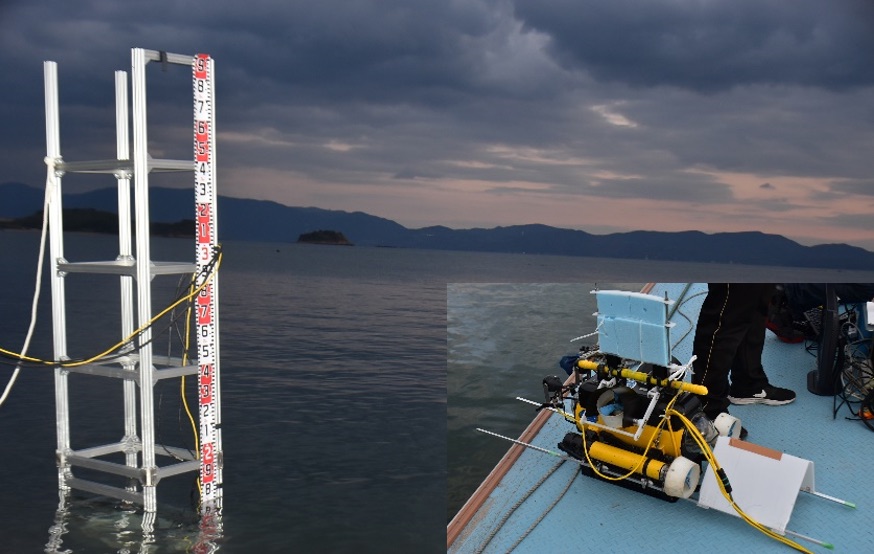
日本の海洋資源探査を目的とした自律水中ロボットの研究を行っています。デュアルカメラシステムによる立体的な環境認識(Pb-3DP)を搭載し、生物が視覚で周囲を捉えるような自律的な水中活動を実現します。実際の海洋環境での長時間充電運用にも成功しており、実海域への展開を目指した実証実験を継続しています。
We advance autonomous underwater vehicles (AUVs) for marine resource exploration in Japanese waters. Equipped with a dual-camera Projection-based 3D Perception (Pb-3DP) system, the robot achieves animal-like 3D environmental recognition for autonomous navigation. We have successfully demonstrated extended autonomous charging operations in actual ocean conditions and continue field trials toward real-sea deployment.
Learning-Based Locomotion Control of Snake Robots Using Neural Networks
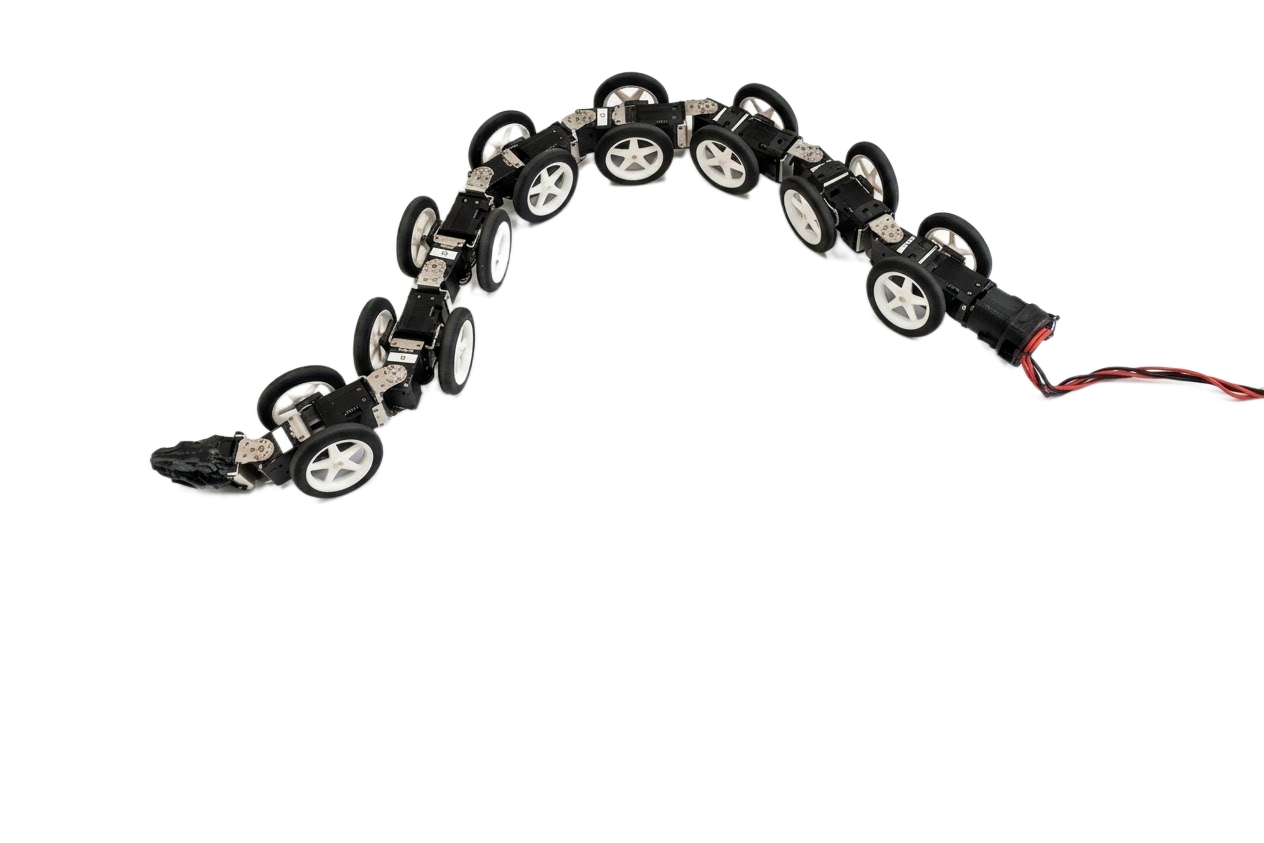
ヘビ型ロボットは多関節構造により、狭隘空間・がれき内・水中など、車輪型ロボットが進入困難な環境での活動に適しています。本研究では、機械学習・強化学習を用いてヘビ型ロボットの移動制御を自律的に獲得させる手法を研究しています。ノーマルv2・ヤツメ・ハイパワー・EMB(分離合体型)など複数の機体を用い、亀川研と連携して視覚・行動統合型の制御システム開発を進めています。
Snake robots, with their multi-joint structure, excel in environments inaccessible to wheeled robots — narrow spaces, rubble, and underwater terrain. We apply machine learning and reinforcement learning to enable autonomous locomotion control. Using multiple platforms (Normal v2, Yatsume, High Power, and the EMB modular separation-recombination robot), we develop vision-integrated control systems in collaboration with the Kamegawa Laboratory.
LLM-Based Multi-Robot Coordination
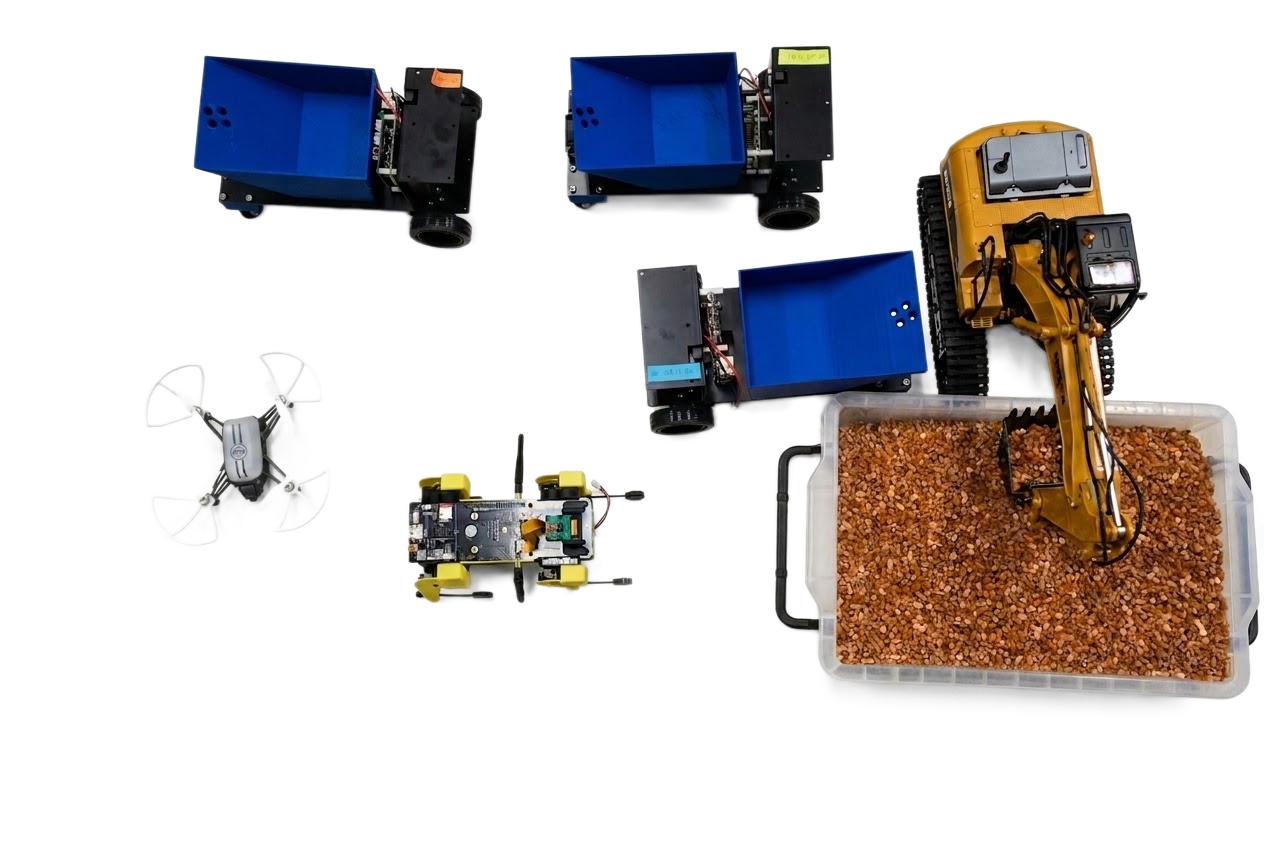
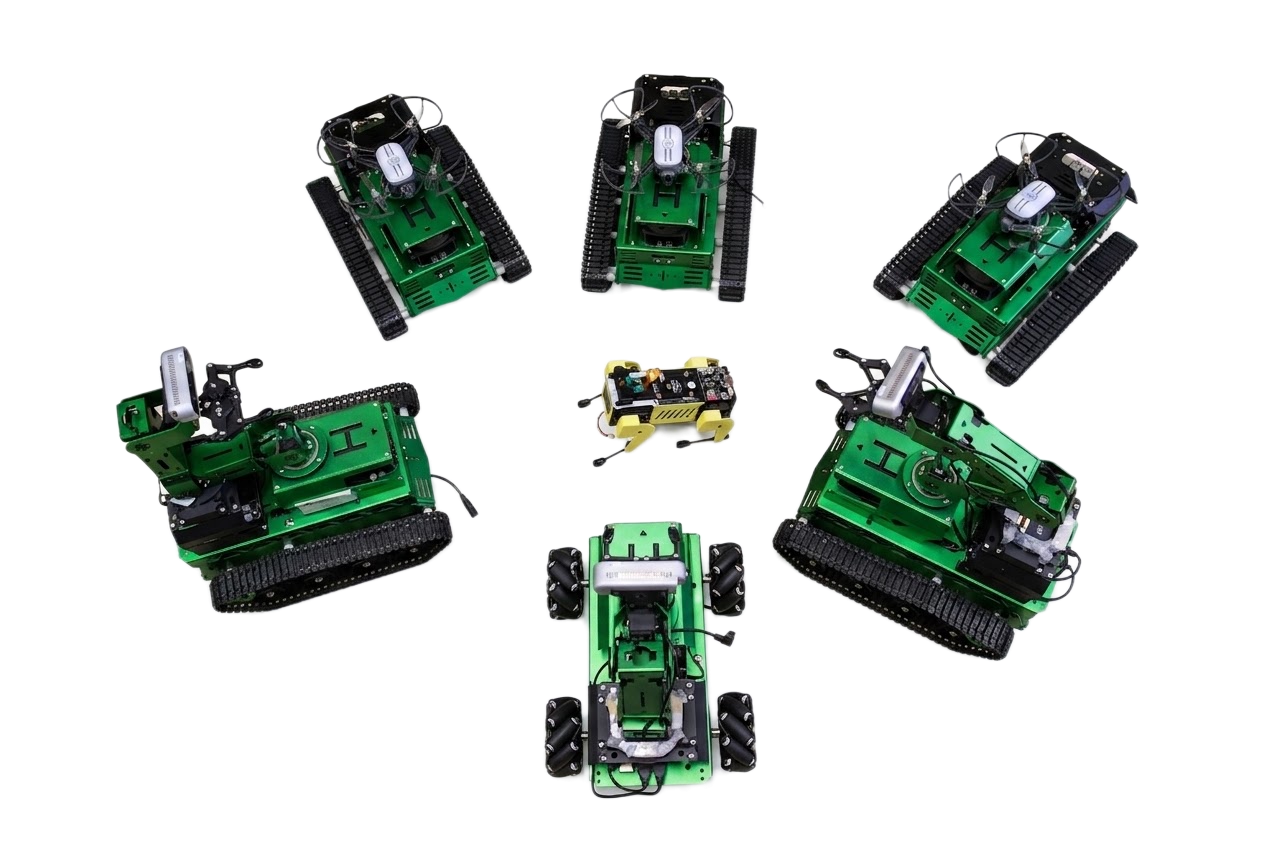
大規模言語モデル(LLM)を活用し、月面・災害環境などの非構造化空間におけるロボット群の協調システムを研究しています。内閣府ムーンショット型研究開発事業(東京大学)での研究成果をベースに、ドローン群・地上移動ロボット群・建機ロボットが連携して複雑タスクを達成するAIシステムの構築を目指しています。LLMを実践的に活用し、ロボットに高レベルな意思決定と自然言語インタフェースを実装します。
We develop LLM-powered coordination systems for heterogeneous robot teams operating in unstructured environments such as lunar surfaces and disaster sites. Building on research from the Cabinet Office Moonshot R&D Program (University of Tokyo), we aim to build AI systems that enable drone swarms, unmanned ground vehicles, and construction robots to collaboratively accomplish complex tasks through high-level LLM-based decision-making and natural language interfaces.