RESEARCH / FOUR PILLARS
From tissue to data.
From data to discovery.
Connecting pathology, multi-omics and computational science to explore cancer.
These directions include planned work. See Publications for published findings.
RESEARCH 01
Cancer Proteogenomics and Molecular Classification
What molecular features distinguish tumors that appear similar under the microscope?
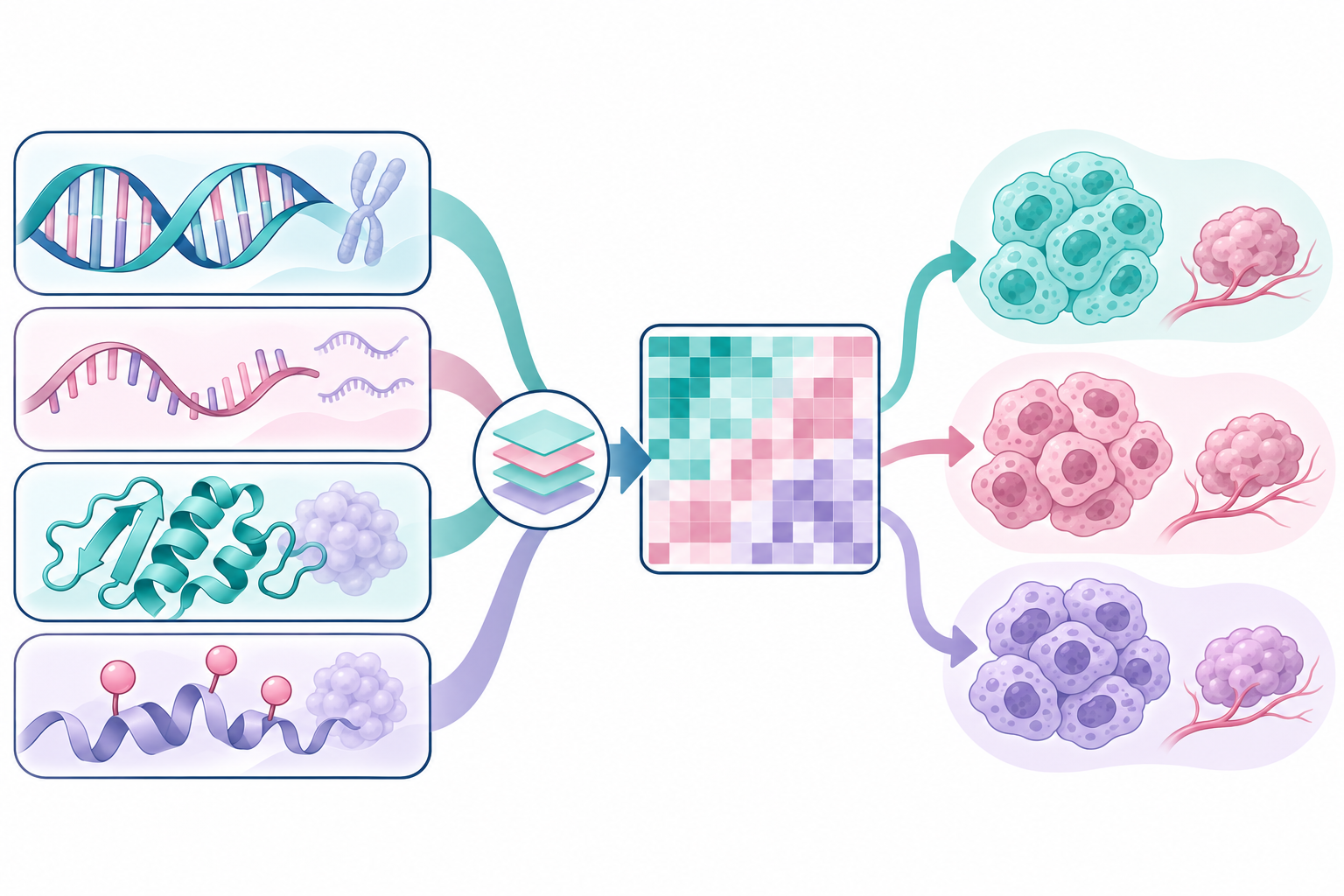
We bring together genomic, transcriptomic, proteomic and phosphoproteomic information to examine alterations across molecular layers. Integrative analyses help us explore tumor subtypes and the signaling pathways that characterize them.
Our goal is to connect molecular classification with patient risk stratification and therapeutic target discovery.
Cancers including soft tissue leiomyosarcoma (LMS), pancreatic neuroendocrine tumors (PanNETs) and colorectal cancer
RESEARCH 02
Unlocking Pathology Archives for Rare Cancers
How can archived tissue contribute to understanding rare cancers for which samples are limited?
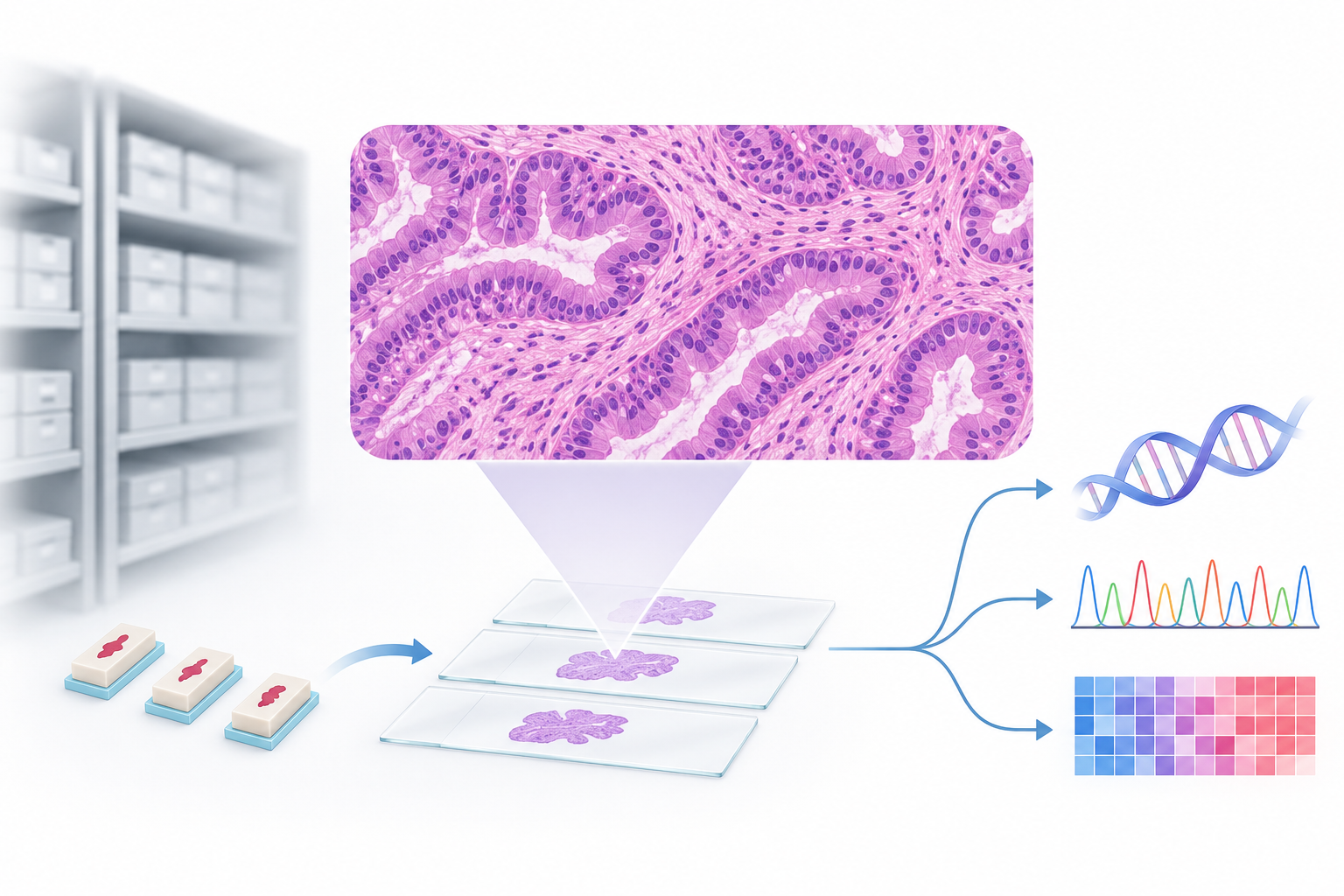
We combine formalin-fixed, paraffin-embedded (FFPE) tissue with advanced omics approaches. By relating tissue morphology to molecular information, we aim to investigate the biological features of rare and hard-to-treat tumors.
We aim to turn the information preserved in pathology archives into insights into disease mechanisms and candidate biomarkers.
Tumors including pancreatic solid pseudopapillary neoplasms (SPN), pseudomyxoma peritonei (PMP) and rare soft tissue sarcomas
RESEARCH 03
Tumor Progression and Microenvironment
How do tumors change as they progress, metastasize and acquire treatment resistance?
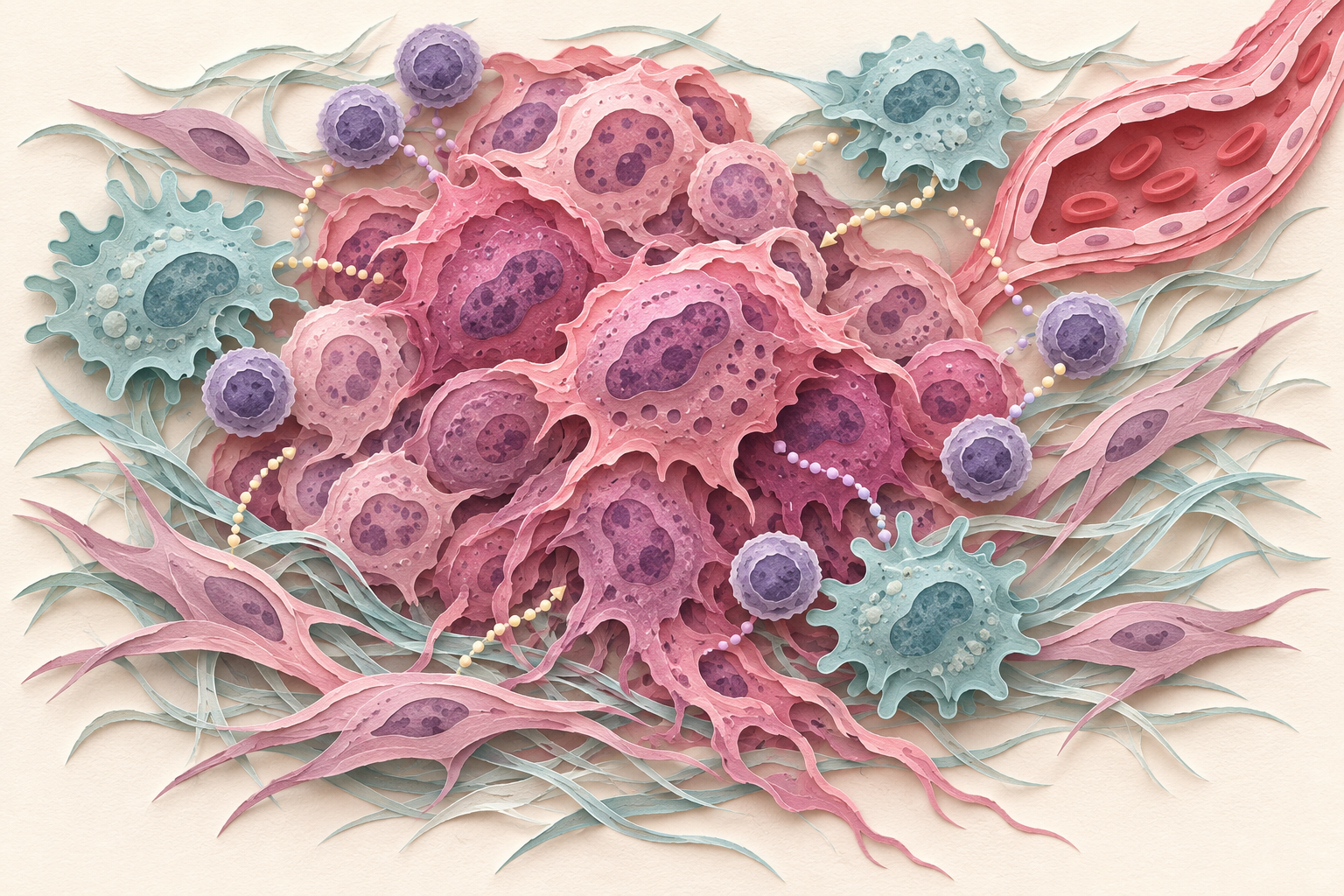
We investigate molecular changes and signaling pathways in the context of the immune and stromal microenvironment. Our research interests include copy number alterations, immune evasion and intratumoral heterogeneity in cancers including lung and colorectal cancer.
By examining clonal evolution and organ-specific microenvironments together, we aim to deepen our understanding of treatment resistance in cancers including lung and colorectal cancer.
Metastasis, copy number alterations, immune evasion and intratumoral heterogeneity in cancers including lung and colorectal cancer
RESEARCH 04
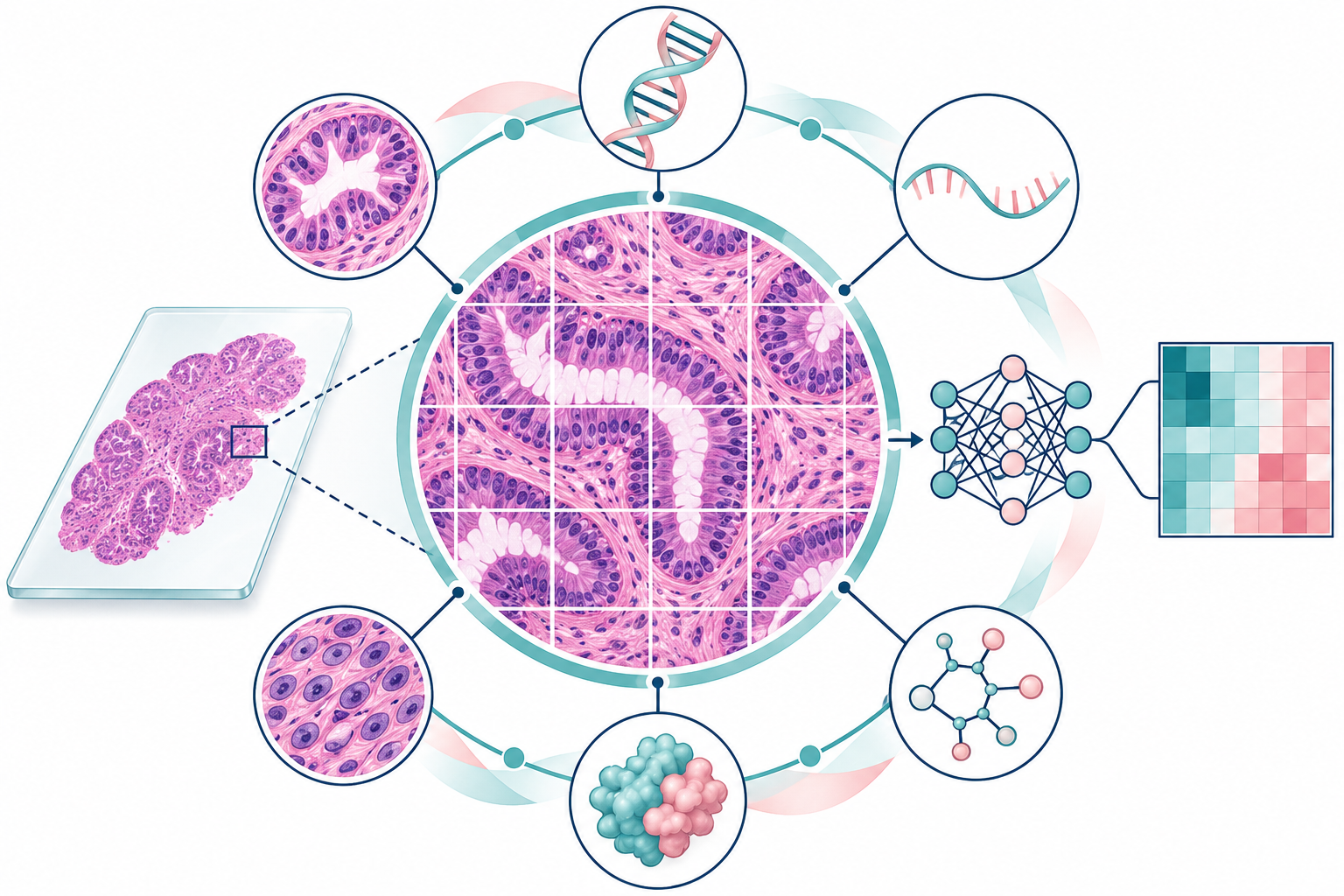
Computational Pathology and AI
What can tissue morphology reveal when it is analyzed together with molecular data?
We combine digital whole-slide images (WSIs), deep learning and multi-omics. We aim to investigate relationships between image-derived features and the molecular characteristics of tumors.
We aim to identify candidate biomarkers and develop approaches to diagnosis and prognosis prediction through the integration of morphology and molecular profiles.
H&E whole-slide images, deep learning, integration of pathology images and multi-omics
RESEARCH MAP
Research pillars and themes
| Pillar | Topics |
|---|---|
| 01. Proteogenomics | Cancers including soft tissue leiomyosarcoma (LMS), pancreatic neuroendocrine tumors (PanNETs) and colorectal cancer |
| 02. Pathology Archives | Tumors including pancreatic solid pseudopapillary neoplasms (SPN), pseudomyxoma peritonei (PMP) and rare soft tissue sarcomas |
| 03. Tumor Biology | Metastasis, copy number alterations, immune evasion and intratumoral heterogeneity in cancers including lung and colorectal cancer |
| 04. Computational Pathology | H&E whole-slide images, deep learning, integration of pathology images and multi-omics |