>Part 3: Environmental impact assessment of hazardous and valuable substances from a life cycle perspective
[1] Research on mercury emission dynamics under anthropogenic activities contributing to evaluation of the effectiveness of the Minamata Convention
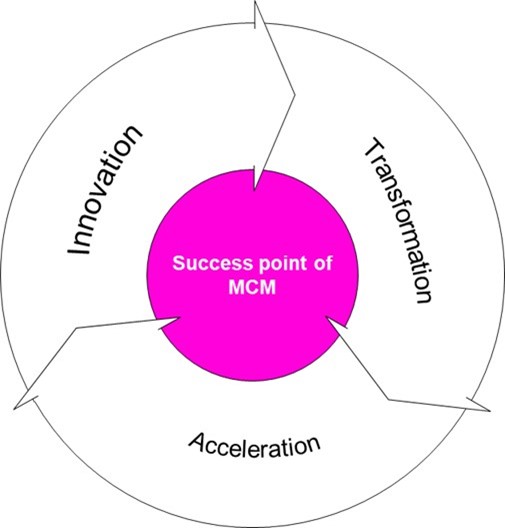
The Minamata Convention on Mercury (hereinafter referred to as the "Minamata Convention") was adopted at the initiative of the Japanese government in order to prevent health and environmental damage caused by mercury and mercury compounds on a global scale. In order to ensure the steady implementation of the Convention, contracting countries are required to take measures that combine various technologies and systems. To assess the effectiveness of these measures, changes in mercury behavior in the current state (after the Convention entered into force) and in the past (before the Convention entered into force) must be taken into account. The Minamata Convention stipulates that the Conference of the Parties shall evaluate the effectiveness of the treaty, and it is expected that Japan will take the lead in providing scientific evidence to lead the discussion on how to evaluate the effectiveness of the treaty. Currently, it has not yet been determined how the effectiveness of the treaty will be evaluated, but it is necessary to evaluate the effectiveness of the treaty by 2023. Therefore, it is hoped that this research will contribute to the evaluation of the effectiveness of the Minamata Convention by quantitatively understanding its behavior under anthropogenic activities, evaluating the environmental impact of anthropogenic mercury emissions from the perspective of life cycle assessment, and quantitatively evaluating future mercury emission reduction scenarios, including the implementation of the Minamata Convention.