Research contents

Keywords: MFA, LCA, LCIA, mercury, plastic, e-waste, environmental concerns, waste composition

> List of research contents

> Part 1: Research on consciousness and behavioral patterns from an environmental sociological perspective

Here, we use an environmental sociological approach (interviews, questionnaire surveys, etc.), statistical analysis (Excel, SPSS), and model construction to present scientific knowledge linked to social change, behavior change, and decision-making to policy makers, managers, and consumers. Examples of research are shown below.


[1] Research on the driving force for promoting corporate environmentally friendly behavior
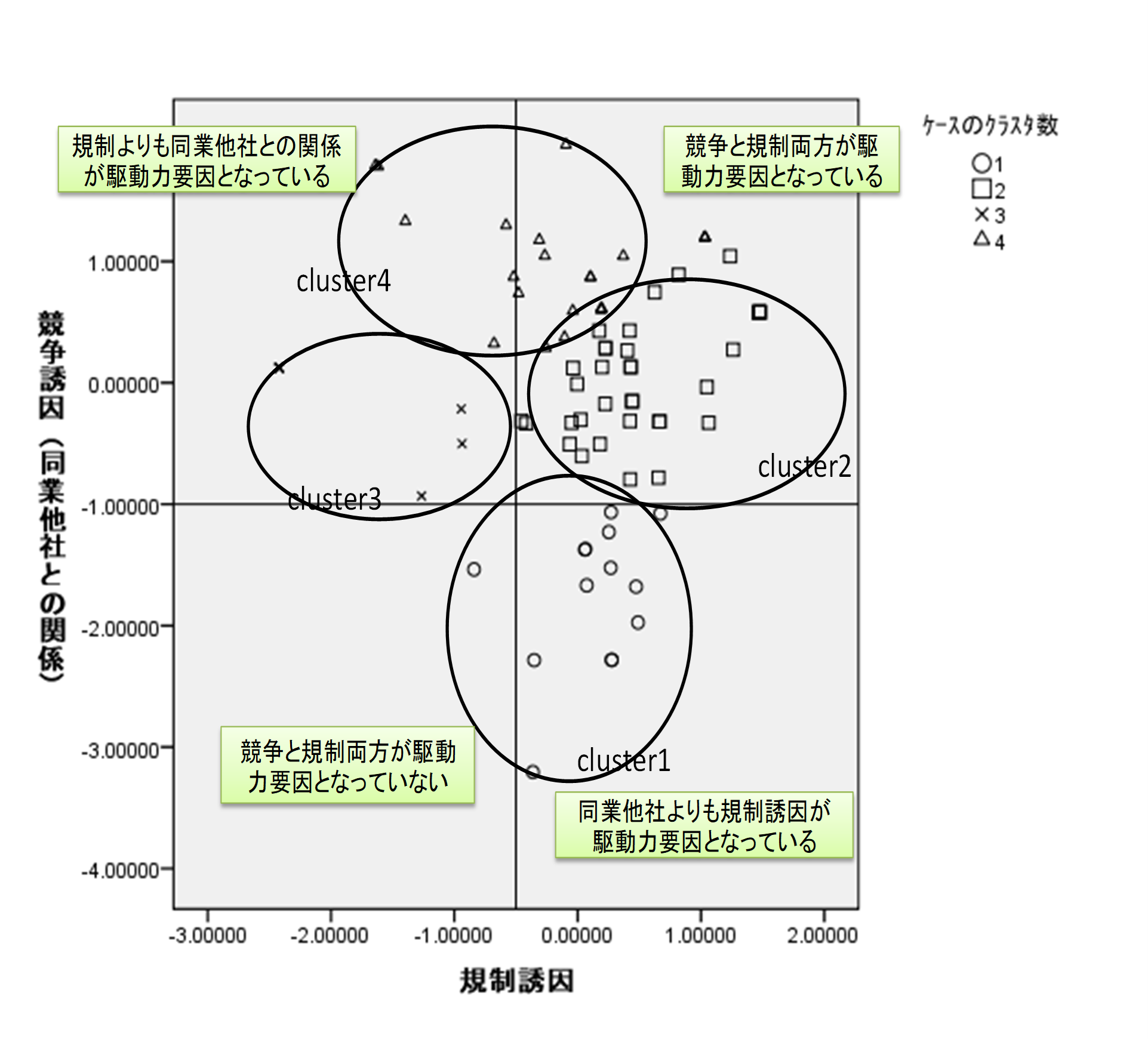
 The role of companies in efforts to solve environmental problems is expected to become increasingly important in the future. The purpose of this research was to understand the current state of environmentally friendly behavior by Chinese companies and identify effective driving forces for further promotion. In order to understand the characteristics of Chinese companies, we also studied the environmentally conscious behavior of Japanese companies, which are pioneers in environmentally conscious behavior, and compared the results of the two countries. The information obtained through the literature review and interview survey, including questionnaires, will be the main objects of analysis. Target companies are in the electrical and electronic equipment industry. Interview surveys were conducted from 2010-04 to 2010-06 with seven Japanese companies (including one expert) and seven Chinese companies (including four experts). We used QDA (Qualitative Data Analysis) software to analyze the data, and compared the environmentally friendly behavior and driving forces of Japanese and Chinese electrical and electronic equipment companies. Furthermore, assuming that specific environmentally conscious behaviors are influenced by specific driving forces, statistical analysis was performed using principal component analysis and cluster analysis. As a result, regarding the driving forces that define the environmentally conscious behavior of Chinese companies, it was found that, like Japanese companies, many companies as a whole are most influenced by ``competition with other companies in the same industry'' and ``domestic and foreign regulations'' (right figure, Source: Harfui, Yasuko Kameyama, Seiji Hashimoto, Yuichi Moriguchi, Abstracts of the 6th Japan LCA Society Research Presentation, 130-131 (2011)).


[2] Research on plastic waste separation behavior of floating village residents in Tonle Sap Lake, Kingdom of Cambodia

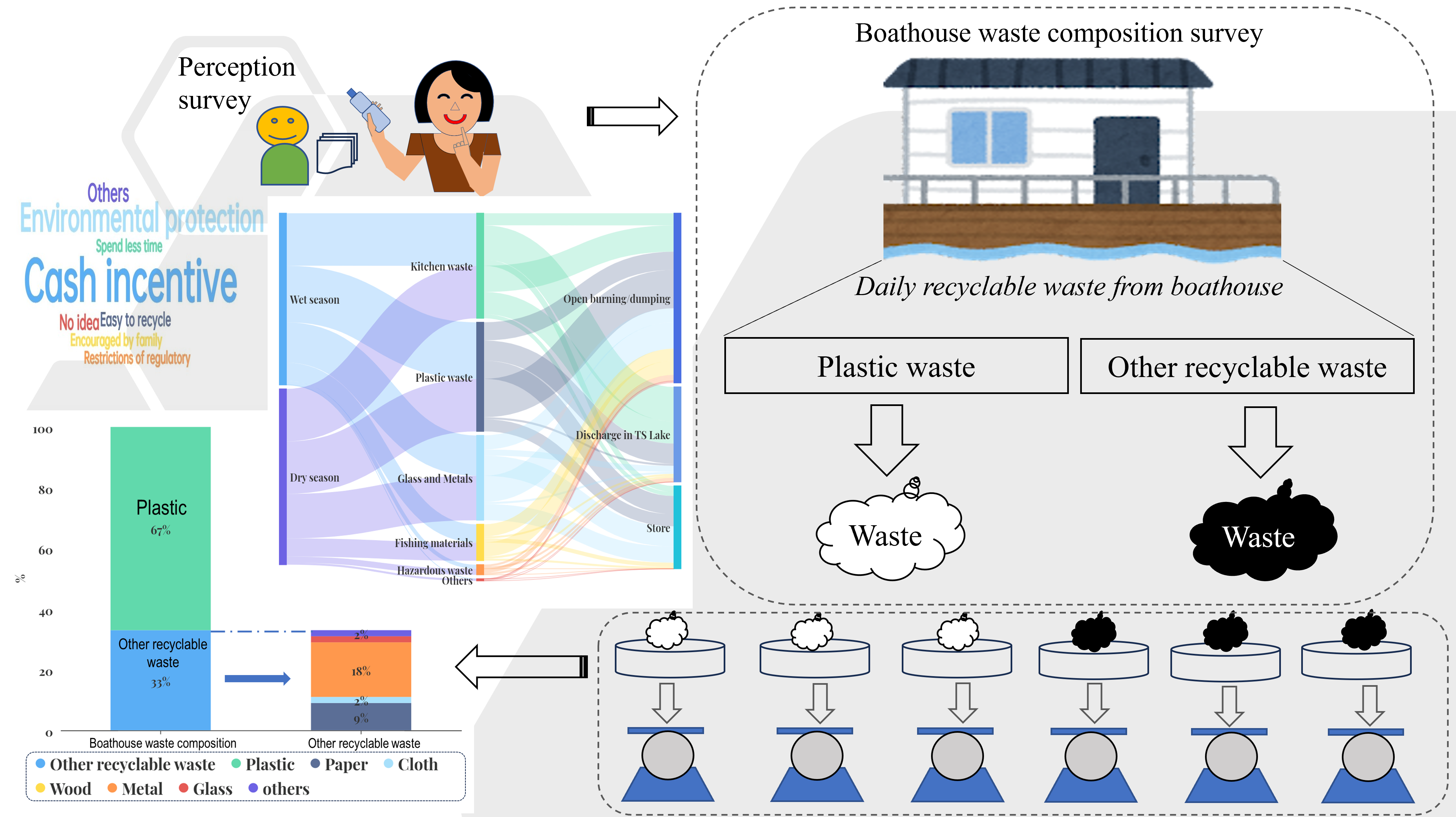
 In areas where there is no garbage collection service and where used plastics tend to become marine plastic waste, it is necessary to build a plastic waste separation and collection system with resident participation. In this study, we conducted interviews (including questionnaires) with multiple households in the floating village of Tonle Sap Lake in the Kingdom of Cambodia to clarify their knowledge of plastic products, their awareness of environmental pollution, and their willingness to cooperate with separate collection. Furthermore, the type and amount of plastic waste discarded by households in floating villages was clarified through a waste composition analysis survey. As a result, it was found that the estimated amount of plastic waste per house was 180.91g per day, and that each resident of the water village produced 40.21g of plastic waste per day. Although this is very low compared to the averages for the US, China, and Cambodia (340g, 120g, and 70g per person per day, respectively), it is higher than India's 10g per person per day.
>Part 2: Construction of future prediction model and scenario evaluation using material flow analysis (MFA) method

[1] Optimization evaluation of plastic resource circulation system towards achieving carbon neutrality

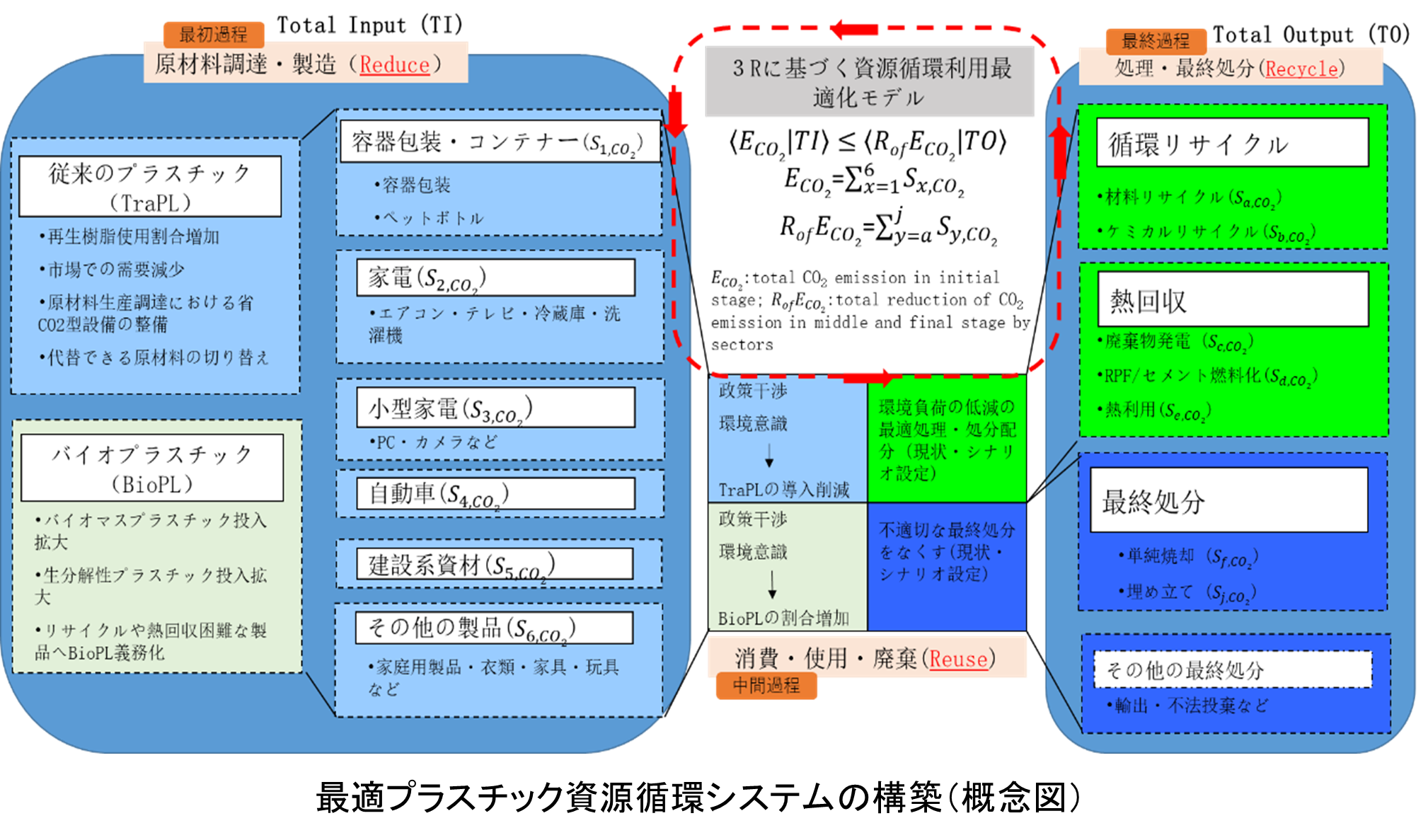
 This research aims to establish an optimal plastic resource circulation system in Japan. As shown in Figure 4, we aim to reduce TraPL-derived CO2 emissions at the entry point by reducing the use of conventional plastics (TraPL) and increasing the input of bioplastics (BioPL) during raw material procurement and manufacturing (initial process). In the stages of consumption, use, and disposal (intermediate processes), use cycles and reuse rates can be increased through changes in consumption behavior due to policy intervention and changes in environmental awareness. In the final treatment and disposal (final process), optimal recycling and heat recovery are performed for each type of used plastic resources to replace them with new ones at the outlet, contributing to the reduction of CO2 emissions derived from TraPL. By recycling plastic resources based on the 3Rs, we aim to achieve carbon neutrality by reducing CO2 emissions in the intermediate and final processes closer to the CO2 emissions in the initial process. Through the academic dissemination of this research, we will contribute to the creation of a recycling-oriented society and a low-carbon society in which the consumption of natural resources is suppressed and the burden on the environment is reduced as much as possible by suppressing the generation of plastic waste and appropriately cyclical use and disposal. Furthermore, contribute to achieving the Sustainable Development Goals (SDGs). It is hoped that scientific knowledge linked to social change, behavior change, and decision-making will be presented to policy makers, business owners, consumers, and others, and discussions will take place together.

>Part 3: Environmental impact assessment of hazardous and valuable substances from a life cycle perspective

[1] Research on mercury emission dynamics under anthropogenic activities contributing to evaluation of the effectiveness of the Minamata Convention

The Minamata Convention on Mercury (hereinafter referred to as the "Minamata Convention") was adopted at the initiative of the Japanese government in order to prevent health and environmental damage caused by mercury and mercury compounds on a global scale. In order to ensure the steady implementation of the Convention, contracting countries are required to take measures that combine various technologies and systems. To assess the effectiveness of these measures, changes in mercury behavior in the current state (after the Convention entered into force) and in the past (before the Convention entered into force) must be taken into account. The Minamata Convention stipulates that the Conference of the Parties shall evaluate the effectiveness of the treaty, and it is expected that Japan will take the lead in providing scientific evidence to lead the discussion on how to evaluate the effectiveness of the treaty. Currently, it has not yet been determined how the effectiveness of the treaty will be evaluated, but it is necessary to evaluate the effectiveness of the treaty by 2023. Therefore, it is hoped that this research will contribute to the evaluation of the effectiveness of the Minamata Convention by quantitatively understanding its behavior under anthropogenic activities, evaluating the environmental impact of anthropogenic mercury emissions from the perspective of life cycle assessment, and quantitatively evaluating future mercury emission reduction scenarios, including the implementation of the Minamata Convention.

>Part 4: Research towards realizing an environmentally friendly society using LCA method

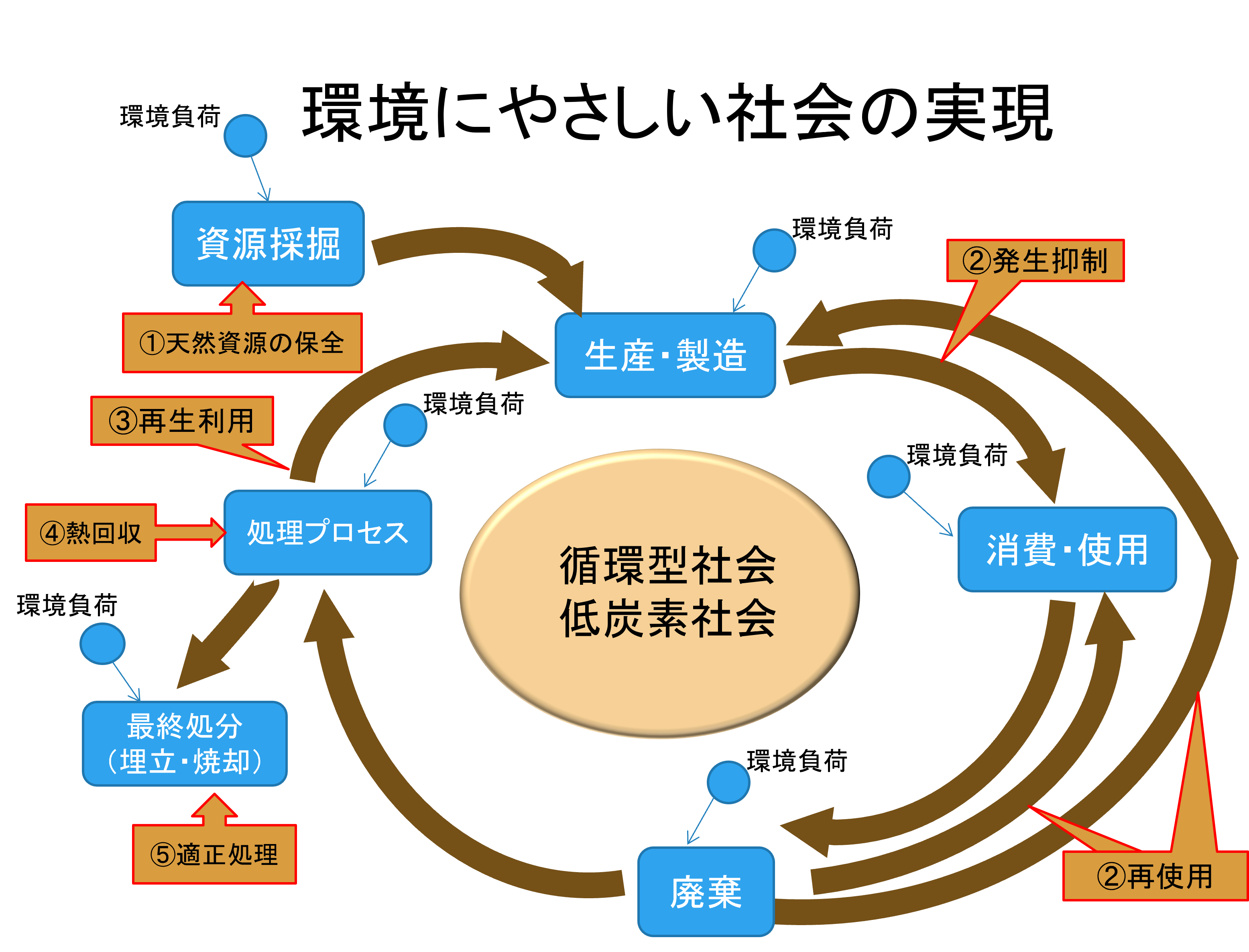
Life cycle assessment (LCA) is a method that consistently captures the chain of materials and technologies associated with target products and services, from resource extraction to disposal, quantifying resource consumption and substances emitted into the environment, and evaluating their impact on the environment. Evaluate the "gradle to grave" of a product, and quantitatively and objectively assess the environmental impact of a product in all processes, from resource extraction to manufacturing, use, disposal, and transportation. Here, we are conducting various studies using the LCA method, as it serves as the basis for decision-making to reduce environmental impact. Examples of research are shown below.


[1] Research on the effective use of waste-derived biogas for garbage collection towards decarbonization

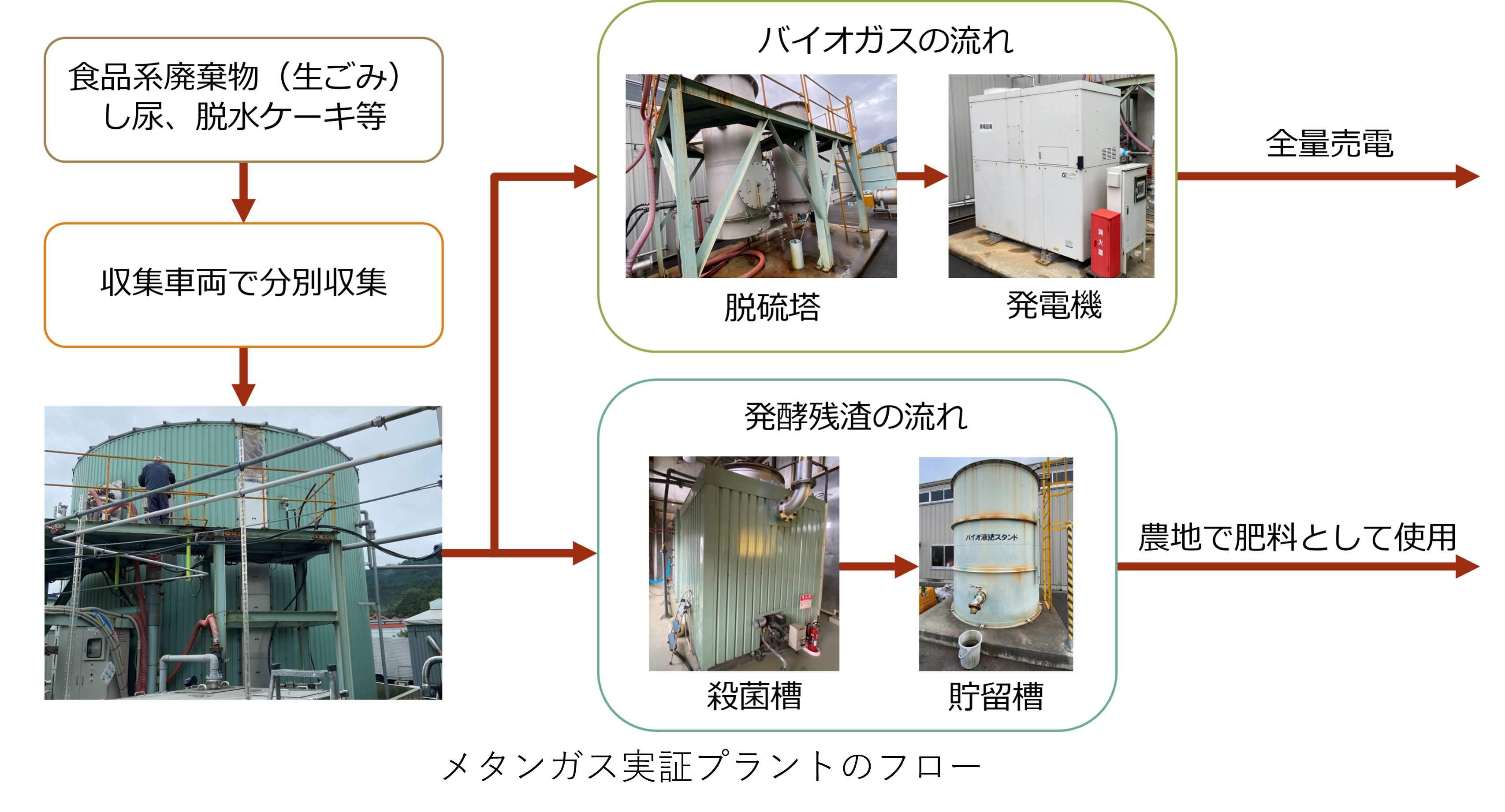
 Many facilities that ferment waste biomass into methane generate electricity from the biogas produced as renewable energy, but they also rely on diesel trucks to collect the waste biomass. In this study, we calculated the CO2 emissions of the entire methane fermentation system, including the waste biomass collection process, when using a natural gas (CNG) truck that uses biogas or an EV truck that uses generated electricity. As a result, the CO2 emissions during driving of CNG trucks and EV trucks were 10.0 and 15.3 tCO2 less per year than diesel trucks, respectively, but when CO2 emissions during the manufacturing of equipment such as biogas enrichment filling equipment and vehicle batteries were included, diesel trucks had the lowest total emissions (Figure on the right, Source: Atsushi Yamashita, Kenta Munemura, Kenji Fujiwara, Harbui, Journal of the Society of Environmental Systems Instrumentation and Control, Volume 28, Combined No. 2-3, 19-27 (2023)).

Research Project (Fund)

Representative (excerpt, total 13)

  • R6, [Female Researchers Research Fund Support Project], Okayama University Diversity Promotion Headquarters Gender Equality Office.
    "Study on the environmental, social, and economic impacts associated with GHG behavior of mercury and related industries under anthropogenic activities seen from a life cycle perspective"
  • FY2020, [Research Conference Grant], Yakumo Environmental Science Foundation.
    “Low Carbon Asia International Conference on Low Carbon Asia 2023”
  • R3-R5 year, [Research Funding for Wakatoshi Research] (21K17895), Japan Society for the Promotion of Science.
    “Research on mercury emission dynamics under anthropogenic activities contributing to the evaluation of the effectiveness of the Minamata Convention”
  • R2 year, [Okayama University Return to Work Support Grant], Okayama University Diversity Promotion Headquarters Gender Equality Office.
    ``Material flow and environmental impact analysis of mercury emissions in China after the Minamata Convention''.
  • R1 year, [Okayama University Return to Work Support Grant], Okayama University Diversity Promotion Headquarters Gender Equality Office.
    “Identification and Quantification of Mercury Releases in China”.