>Part 4: Research towards realizing an environmentally friendly society using LCA method
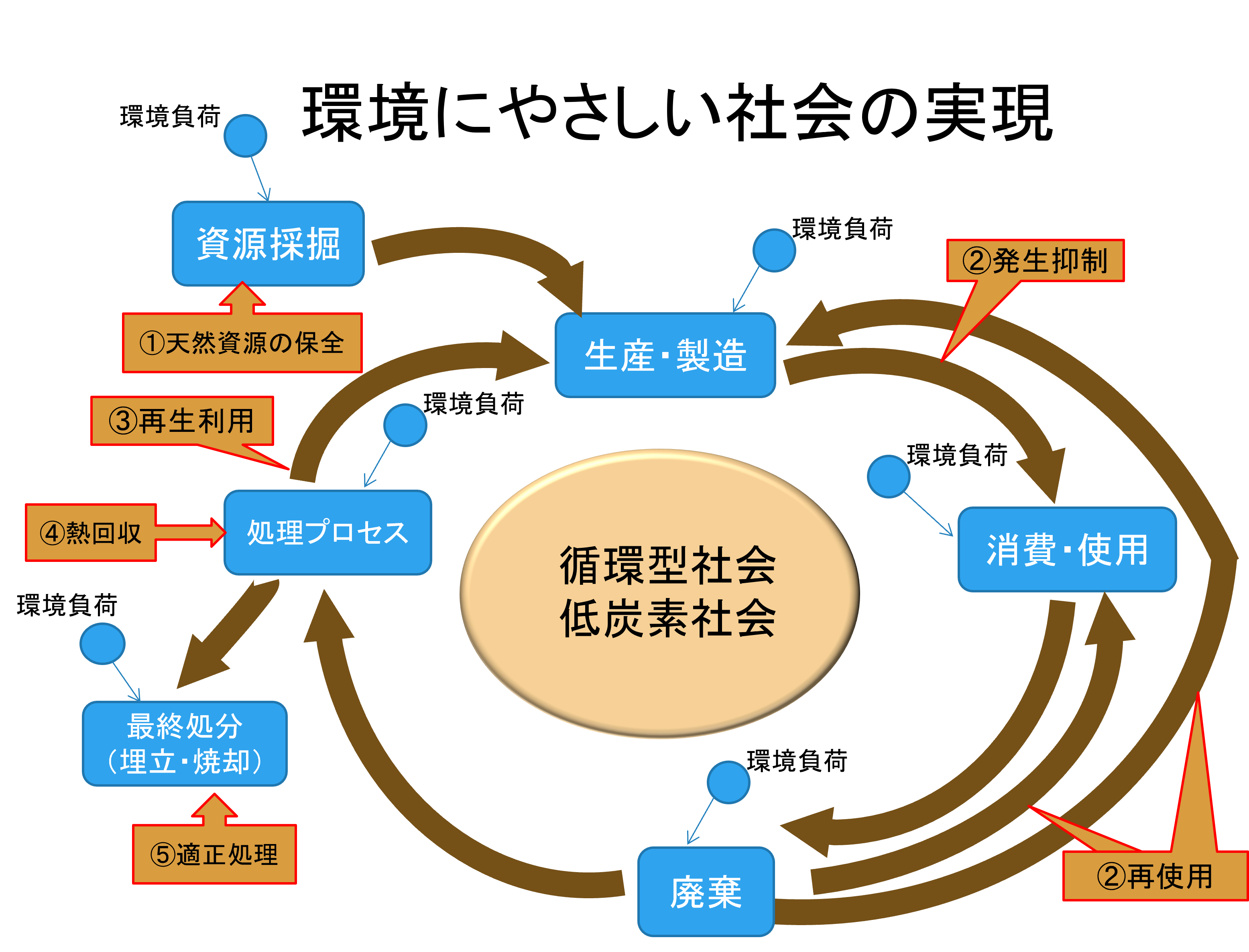
Life cycle assessment (LCA) is a method that consistently captures the chain of materials and technologies associated with target products and services, from resource extraction to disposal, quantifying resource consumption and substances emitted into the environment, and evaluating their impact on the environment. Evaluate the "gradle to grave" of a product, and quantitatively and objectively assess the environmental impact of a product in all processes, from resource extraction to manufacturing, use, disposal, and transportation. Here, we are conducting various studies using the LCA method, as it serves as the basis for decision-making to reduce environmental impact. Examples of research are shown below.
[1] Research on the effective use of waste-derived biogas for garbage collection towards decarbonization
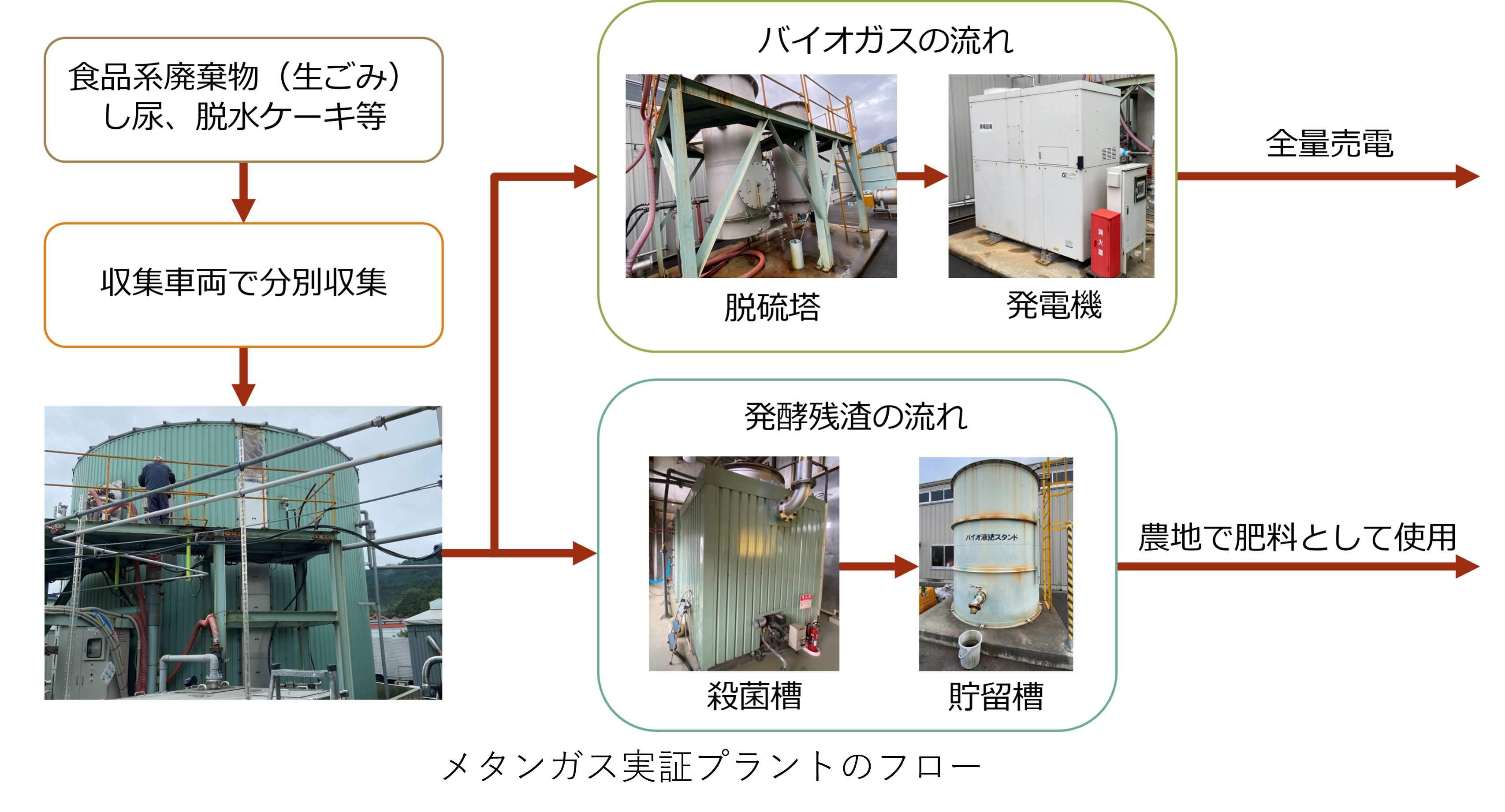
Many facilities that ferment waste biomass into methane generate electricity from the biogas produced as renewable energy, but they also rely on diesel trucks to collect the waste biomass. In this study, we calculated the CO2 emissions of the entire methane fermentation system, including the waste biomass collection process, when using a natural gas (CNG) truck that uses biogas or an EV truck that uses generated electricity. As a result, the CO2 emissions during driving of CNG trucks and EV trucks were 10.0 and 15.3 tCO2 less per year than diesel trucks, respectively, but when CO2 emissions during the manufacturing of equipment such as biogas enrichment filling equipment and vehicle batteries were included, diesel trucks had the lowest total emissions (Figure on the right, Source: Atsushi Yamashita, Kenta Munemura, Kenji Fujiwara, Harbui, Journal of the Society of Environmental Systems Instrumentation and Control, Volume 28, Combined No. 2-3, 19-27 (2023)).